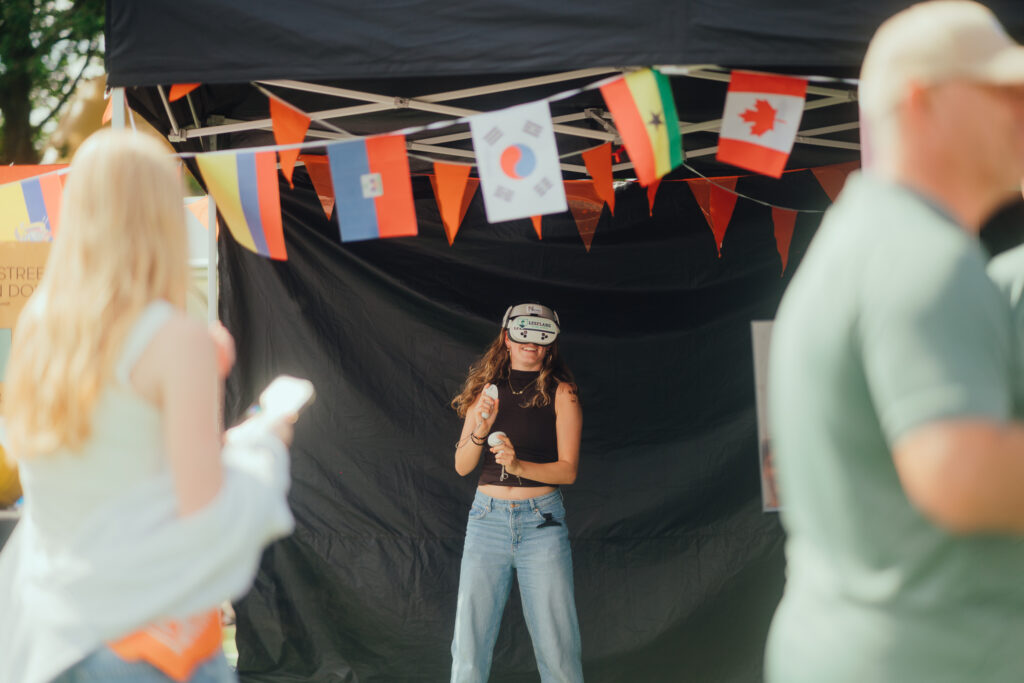
The training was originally developed for baseball and softball and is now being adapted for other sports, including football and padel. During the Hockey World Cup 2026, the team explored how a broader audience experienced the VR training and whether they would want to use it more regularly.
33 participants took part in a short VR exercise and then completed a questionnaire. The first reactions were positive. 93.9% found the VR headset comfortable and were open to trying new forms of training. 90.9% enjoyed the training and found it engaging. Physical discomfort was also limited: 87.9% did not experience dizziness or nausea.
Participants also saw potential for VR in sports. 72.7% thought VR could help improve sports skills. The same percentage saw benefits when training on the field or in the gym is not possible and expected VR to add value to game insight and decision-making.
The step towards regular use was less clear. 42.4% said they would include VR in their regular training programme, while another 42.4% were neutral. 66.7% saw cost as a possible barrier. Of those who indicated a price they would be willing to pay, 54.5% chose €5–10 per month.
An additional public poll also showed interest. Of the 18 votes, 77.8% were positive or very positive about using VR to improve sports performance. More information about the benefits and being able to play together were the most frequently chosen factors that could convince people to use it.
One interesting finding: 26 of the 33 participants had no previous experience with VR sports training. This means the test gives a good indication of how new users respond to the application. Young people and high-level athletes looking to further develop their skills appear to see the most value in the training.
And what about the idea that VR is expensive? Conversations during the test showed that there are various municipal funding opportunities available. This means the end user does not always have to pay for the training themselves.
The next step is to communicate the benefits of VR more clearly and set up pilots with sports federations. The team will also continue discussions with a hockey club in Bilthoven and the national hockey federation. In addition, a new training is being developed that focuses specifically on the pressure players experience during a shoot-out.
Further research will test the VR training in different settings with a larger and less sports-focused group of participants. The team will also explore what happens when people use the training repeatedly.
In collaboration with: Regieorgaan SIA, Sportinnovator and Leeflang Virtual Sports.